· The Pomegranate team · 6 min read
What is FOH? Front of house, monitors and who mixes what
FOH means front of house: the mix the audience hears and the engineer who runs it. Here's how FOH, monitor and system engineers split the work.
FOH stands for front of house. In a theater the term means everything on the audience side of the stage, from the lobby to the seats. In live sound it has three closely related meanings: the main mix the audience hears, the mixing position out in the room, and the engineer who sits there.
The FOH engineer
The FOH engineer mixes the show for the audience through the main PA. They balance every input, shape each channel with EQ, dynamics and effects, and adjust the mix as the room fills and the set changes. On a tour, the FOH engineer is often the person responsible for how the band sounds night after night, so they tend to be particular about their tools.
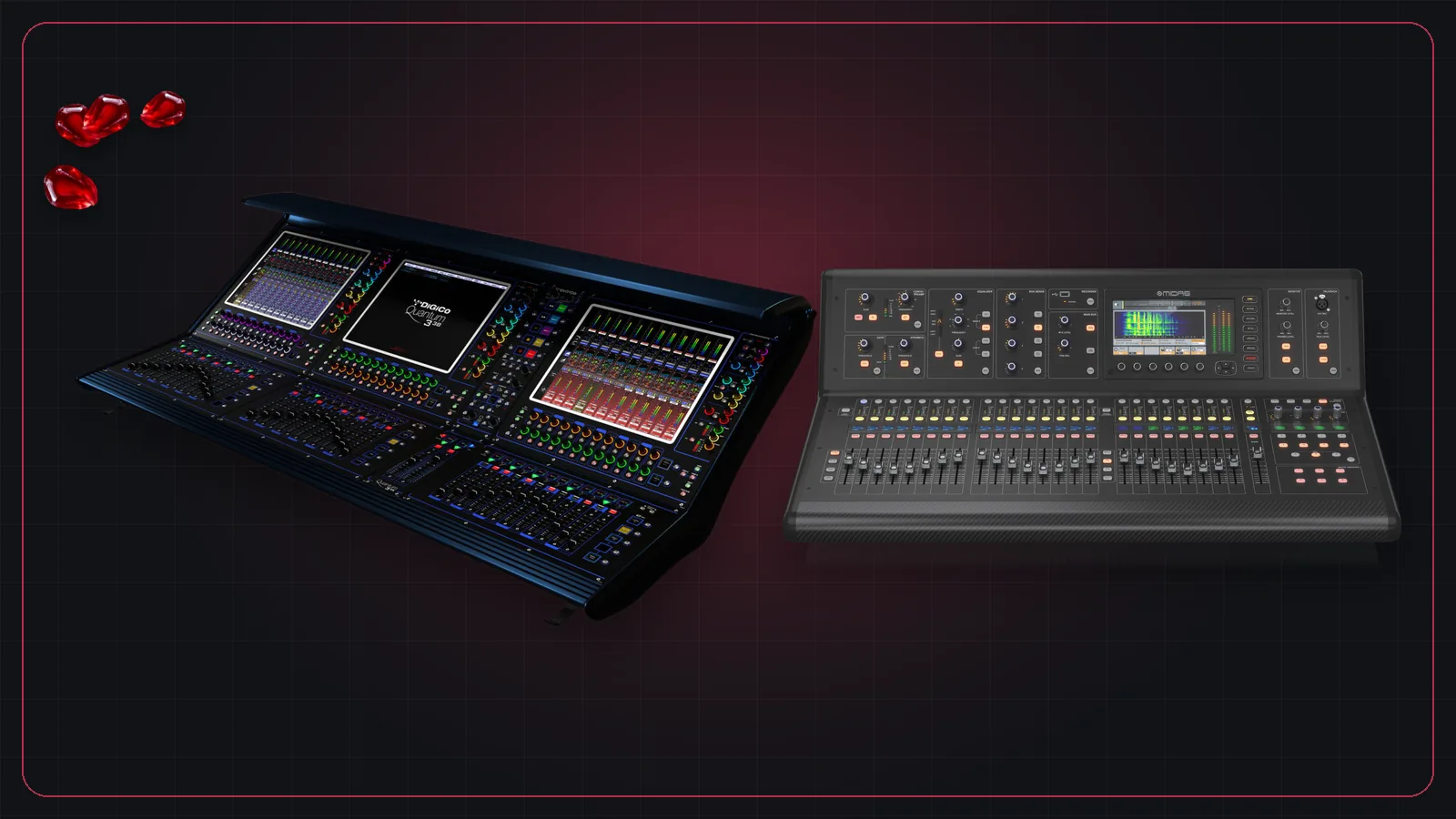
The FOH position is usually in the audience, often around two-thirds of the way back and near the center, so the engineer hears close to what most people hear. That is also where you'll find the front-of-house console, outboard gear and, increasingly, a computer running plugins.
The monitor engineer
The monitor engineer mixes for the performers. Each musician gets their own mix: more of their own instrument, more of the click or the drummer, less of everything else. Those mixes go to floor wedges (speakers pointed back at the stage) or to in-ear monitors (IEMs). The monitor console sits at the side of the stage, where the engineer can see the band and react to hand signals.
In-ear monitors have changed monitor mixing a great deal. They are quieter on stage, more consistent from venue to venue and easier on hearing, but they leave no room acoustics to hide behind. Performers hear every detail, including latency, so monitor engineers are careful about what processing they put in the path.
The system engineer
On larger shows, a system engineer designs, tunes and looks after the PA itself: speaker placement, delay towers and fills, system EQ and time alignment. The FOH engineer then mixes through a system that has already been set up for the room.
Where plugins fit
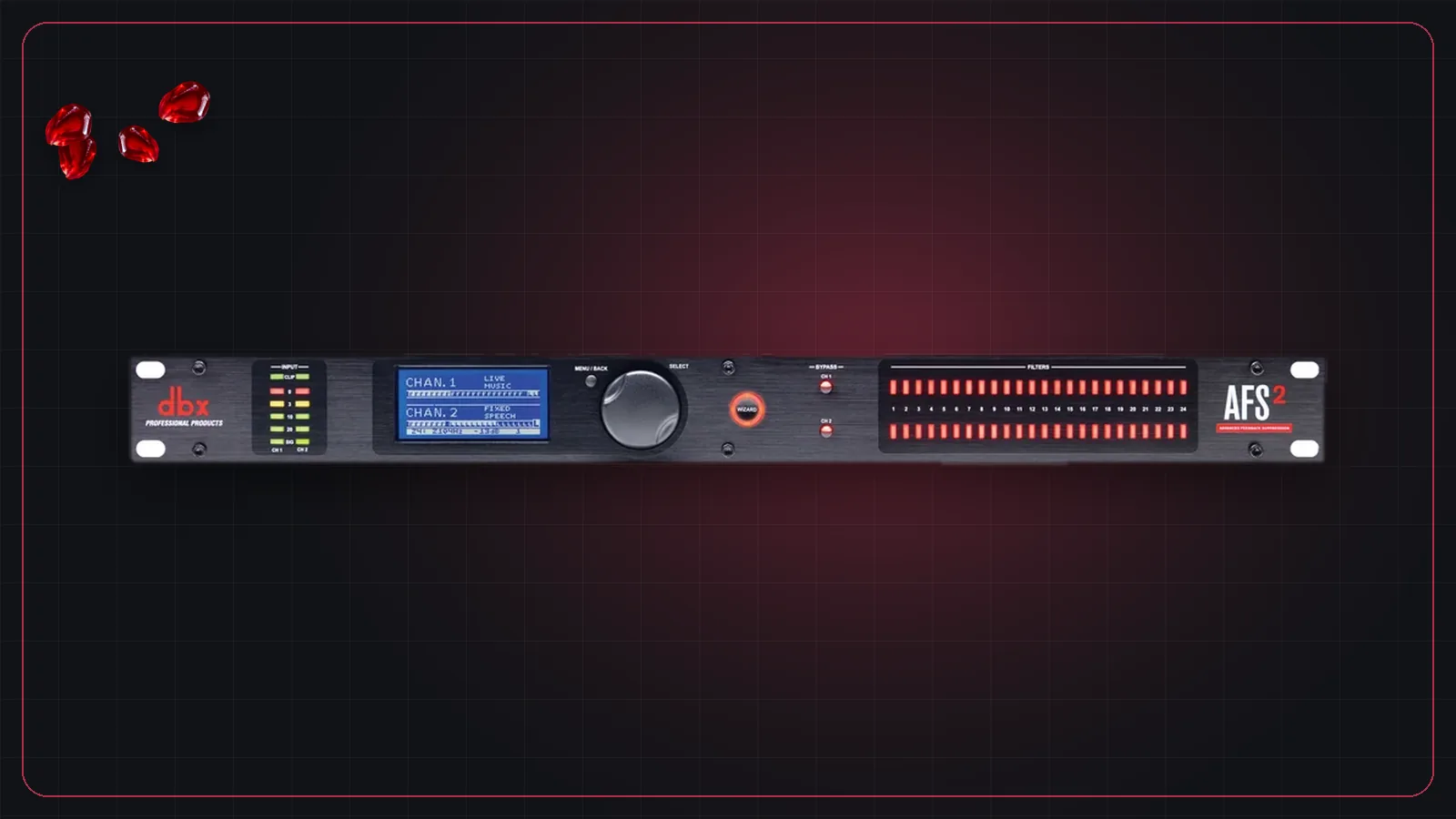
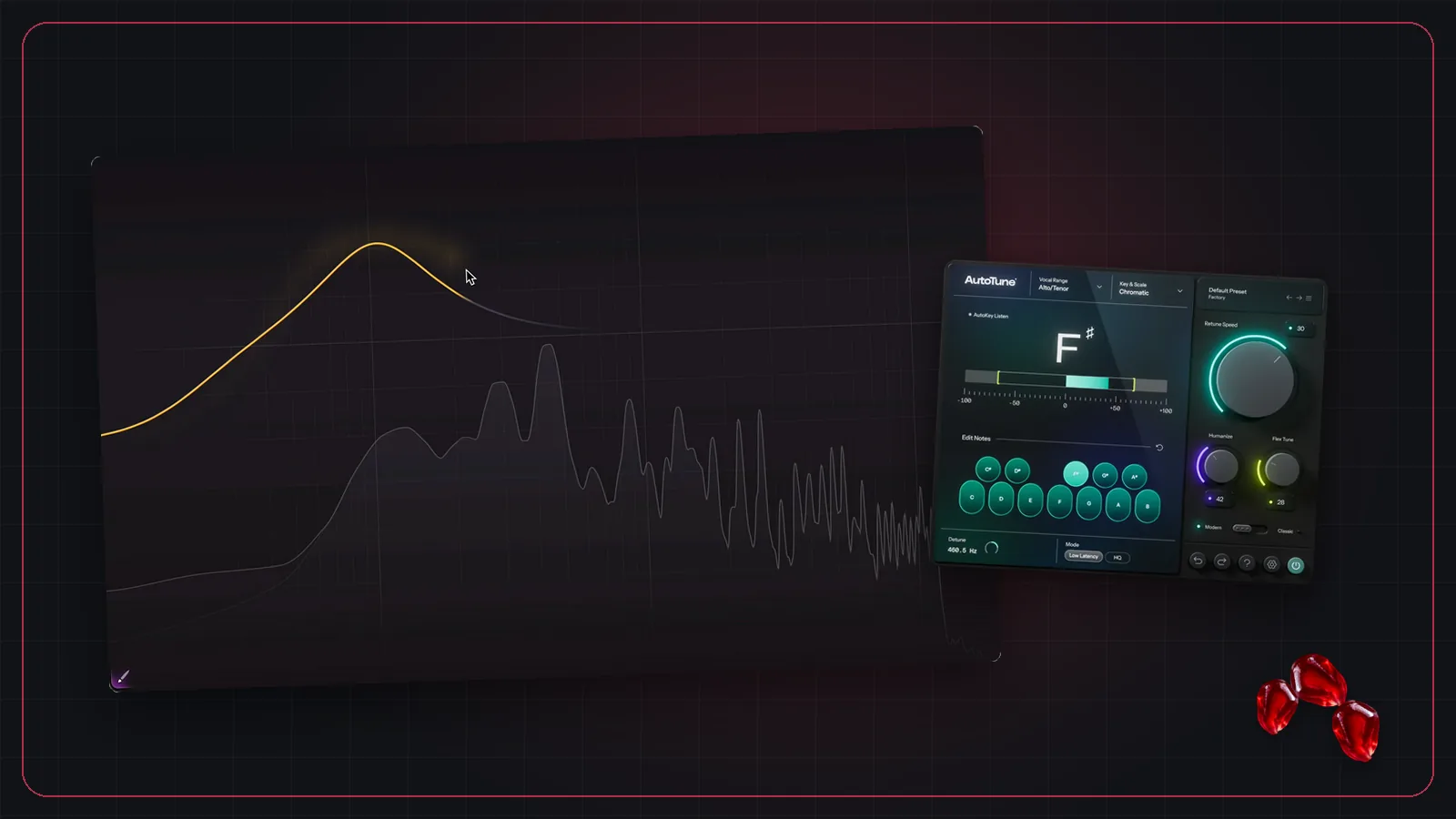
Most FOH and monitor engineers now work on digital consoles, which have good built-in processing. Many still want the plugins they use in the studio: a particular vocal compressor, a de-esser, a reverb, or newer tools such as AI feedback suppression and live pitch correction.
The usual way to add them is a plugin host on a computer, connected to the console over an audio network such as MADI or Dante. The console sends a channel out, the computer processes it, and the result comes back on another channel.
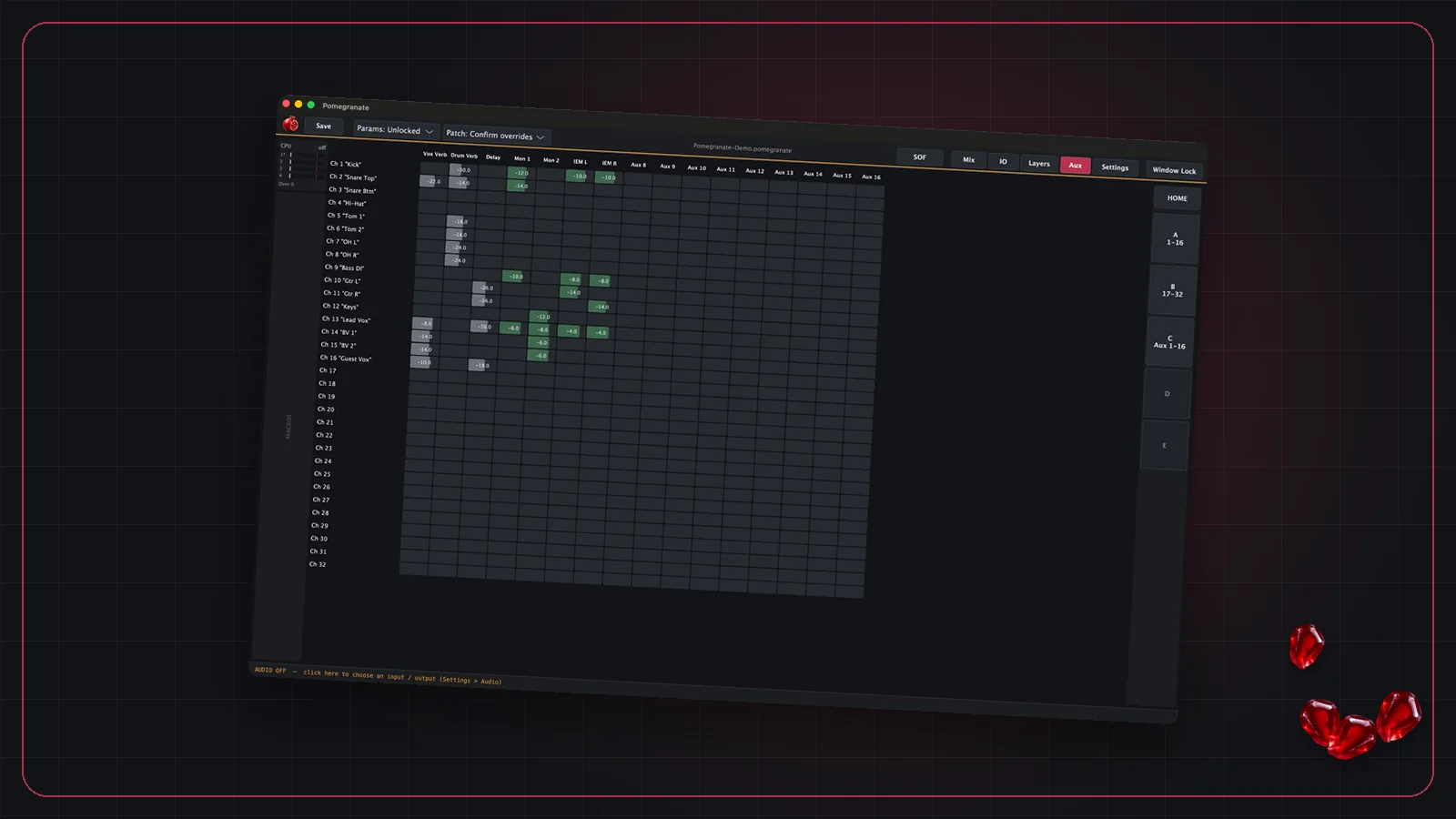
That is what Pomegranate is built for. It runs up to 8 VST3 plugins on each of 64 channels and 16 aux buses, with monitor and effects sends, and it's designed to stay up for the whole show. If you're new to the idea, start with our guide to live plugin hosting.
Frequently asked questions
What does FOH stand for?
FOH stands for front of house: everything on the audience side of the stage. In live sound it usually means the main mix the audience hears, the mixing position in the room, and the engineer who runs it.
What is the difference between FOH and monitors?
The FOH engineer mixes for the audience through the main PA. The monitor engineer mixes what each performer hears on stage, through wedges or in-ear monitors. On smaller shows one person often does both from the FOH console.
Where is the FOH position?
Usually in the audience area, often around two-thirds of the way back and centered, so the engineer hears roughly what most of the audience hears. Monitor consoles sit at the side of the stage.