
Blog
Notes from the desk
Guides to running studio plugins live: audio networking, digital consoles, the plugins worth taking on tour, and keeping a show stable.
Live sound · 7 min read
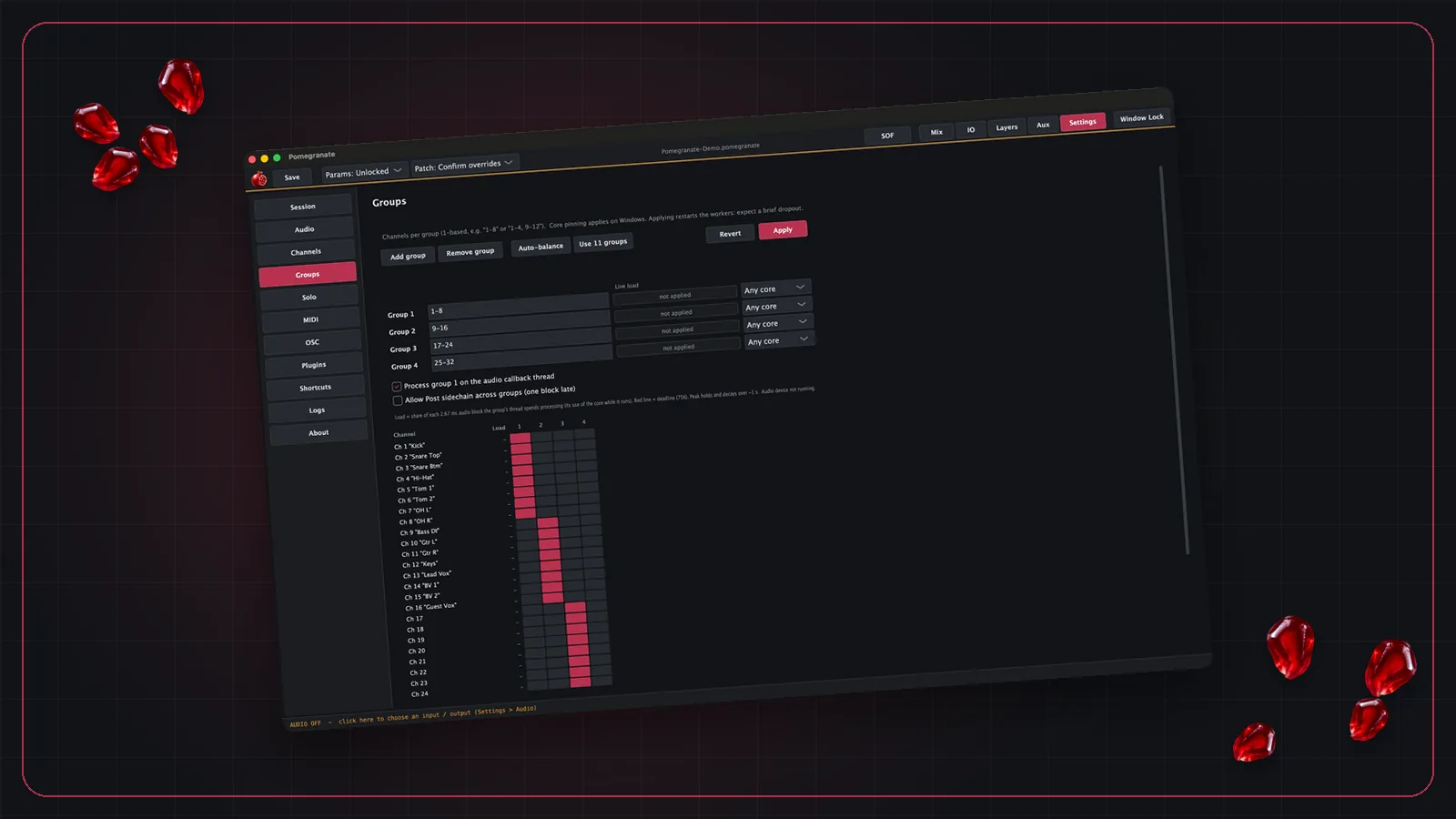
Choosing a computer for live plugins: CPU, settings and LatencyMon
What makes a laptop or PC good for running plugins at a live show: single-core speed vs cores, power settings, C-states, Wi-Fi, and testing DPC latency with LatencyMon.
Read →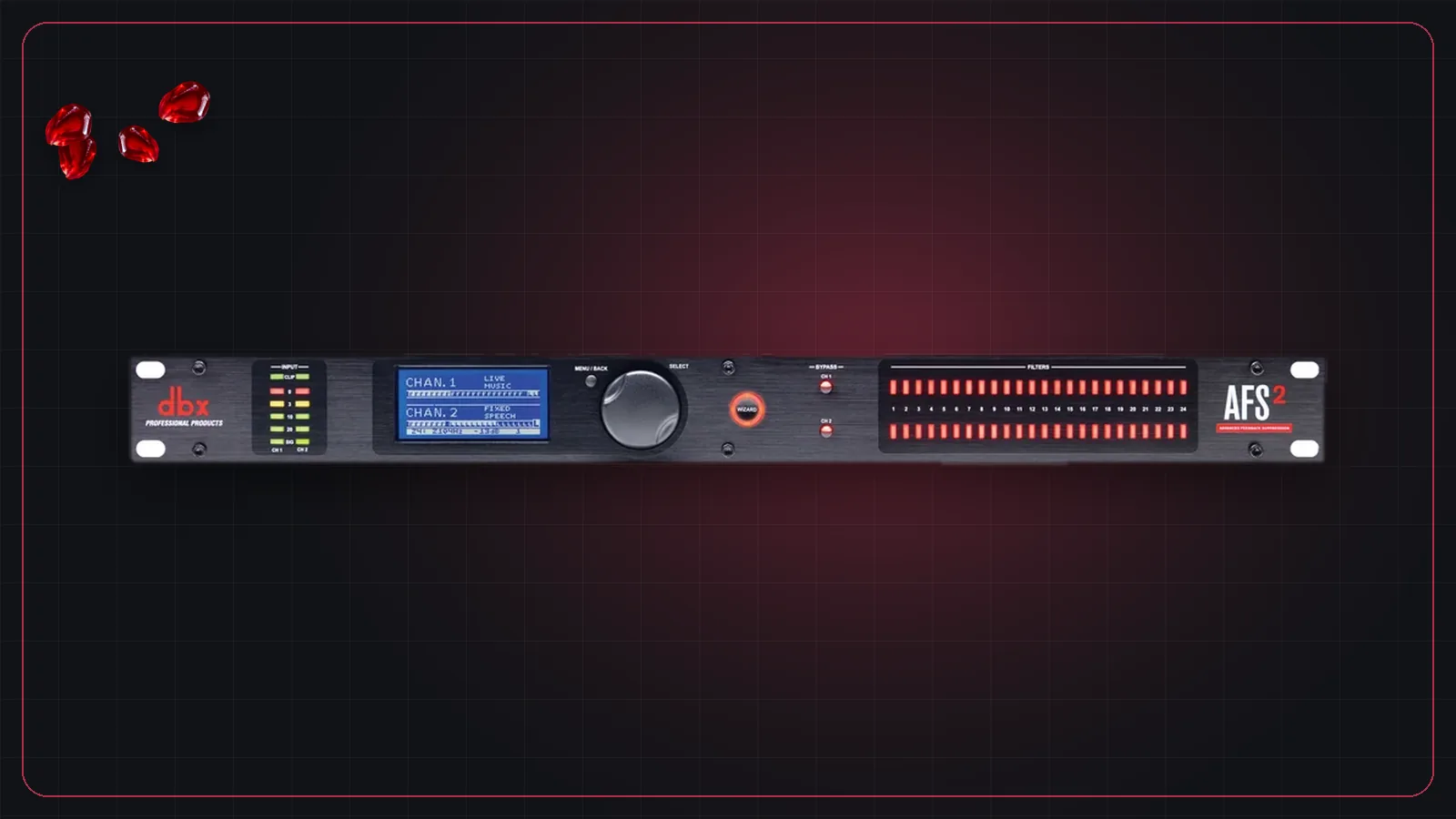
Live sound
How to stop feedback in live sound: ringing out, suppressors and AI
Why feedback happens, how to ring out wedges and mains with EQ, what automatic suppressors do, and where AI tools like De-Feedback fit in.
Live sound
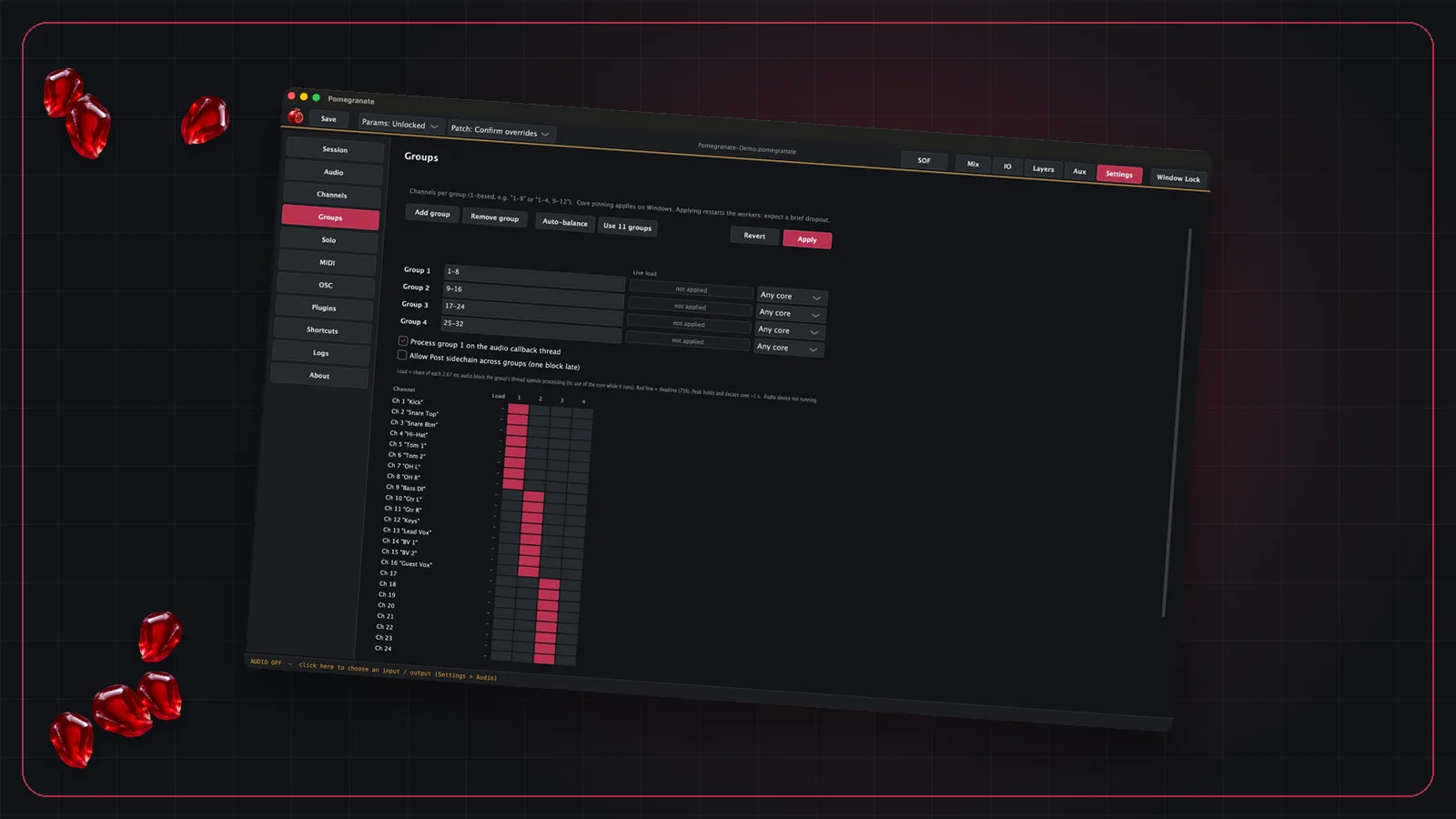
Latency in live sound: buffer size, sample rate and what you can hear
How buffer size and sample rate set the latency of a live plugin rig, how much delay performers notice, and how to run plugins with as little as possible.
Live sound
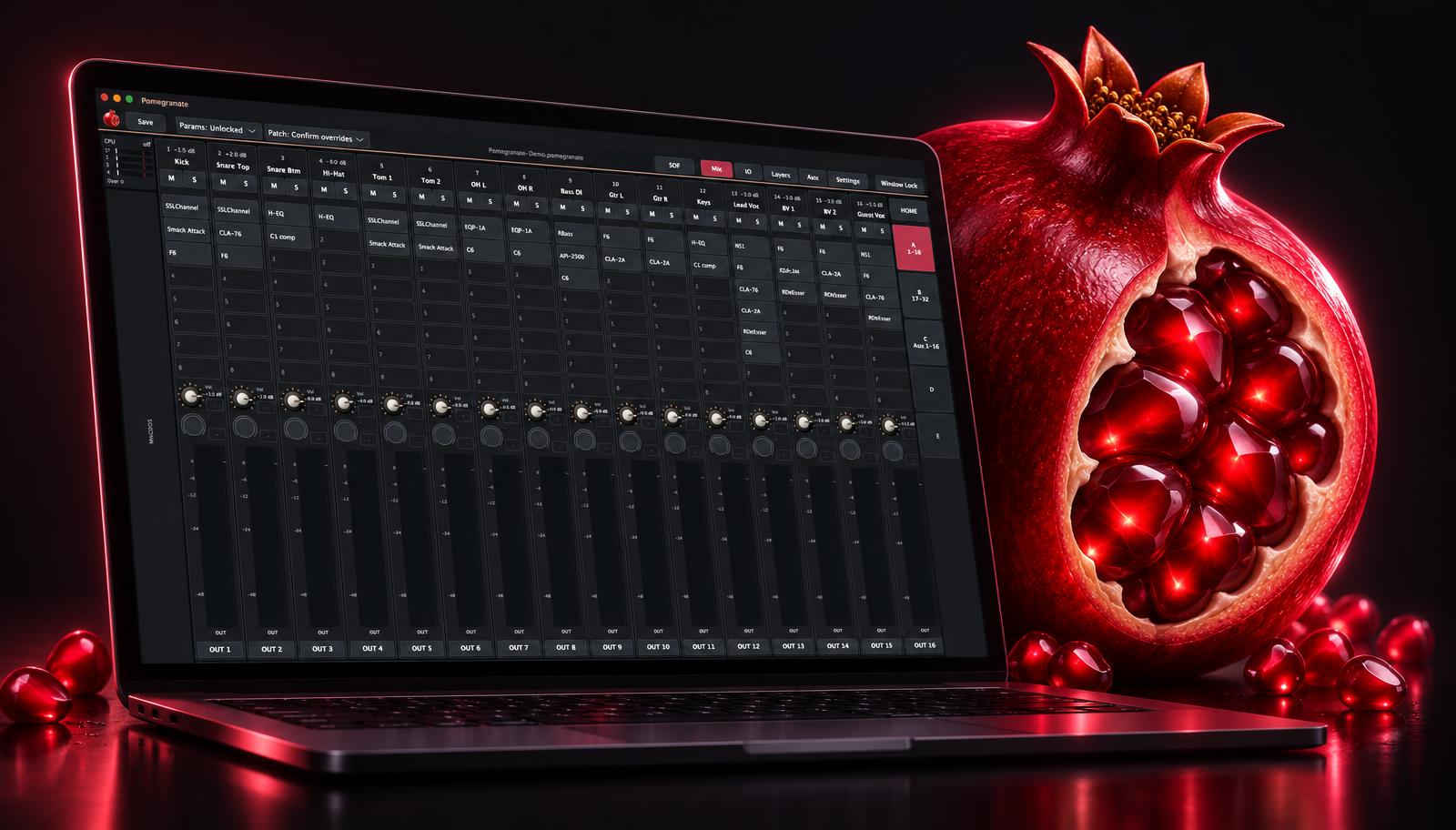
Running studio plugins live: the complete guide to live plugin hosting
Everything you need to run VST3 plugins at a live show: how a live plugin host works, connecting over MADI or Dante, computers, latency and stability.
Live sound
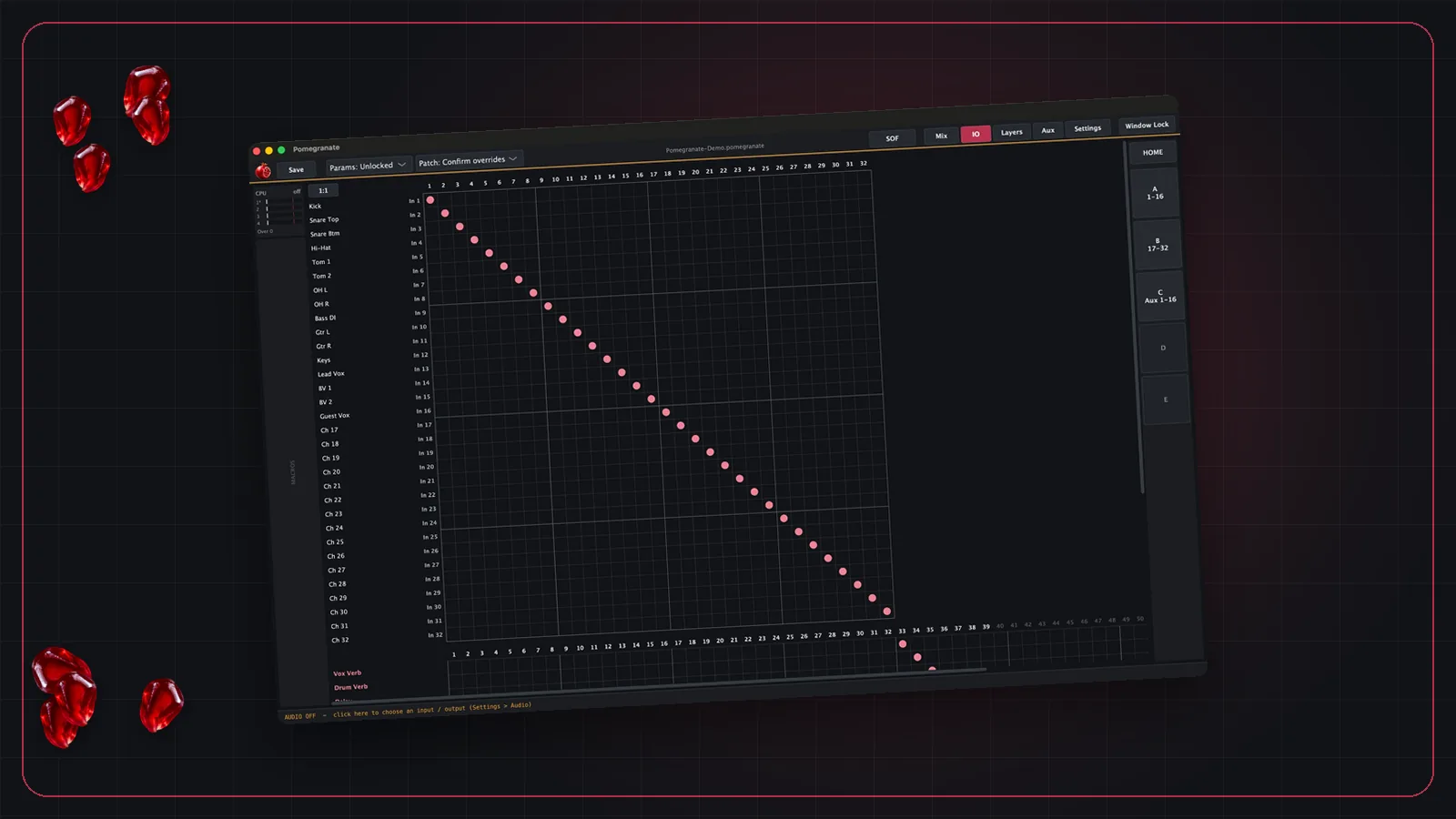
Live plugin hosts compared: SuperRack, transform.engine, LiveProfessor and more
A fair look at the main ways to run plugins live: Waves SuperRack, Fourier transform.engine, LiveProfessor, Gig Performer, Avid VENUE and Pomegranate.
Live sound
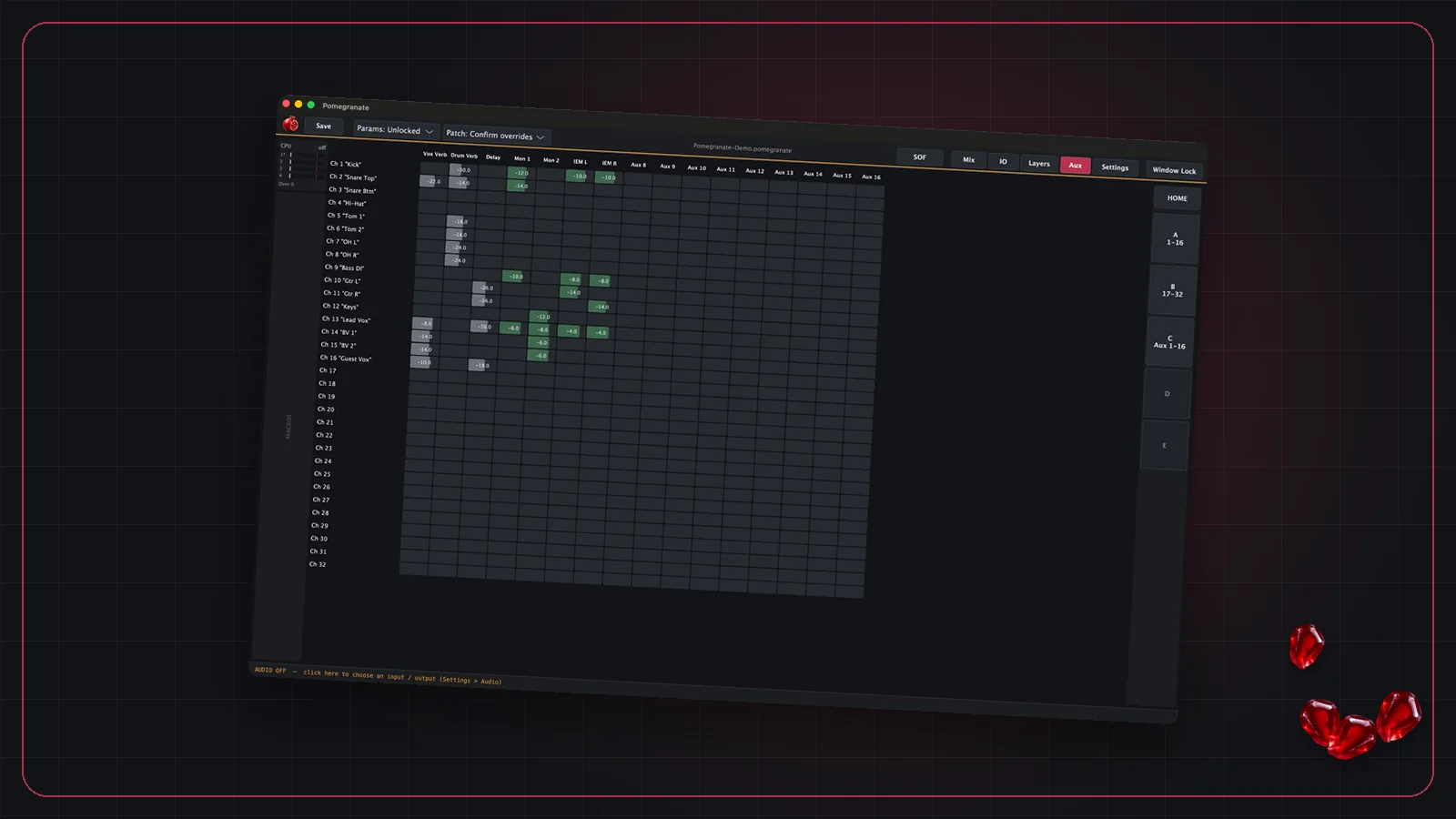
What is FOH? Front of house, monitors and who mixes what
FOH means front of house: the mix the audience hears and the engineer who runs it. Here's how FOH, monitor and system engineers split the work.